
Empowering Mission-Driven Nonprofits to Achieve Growth
We are executive-level partners for conservative organizations at inflection points in their fundraising journey.
From one-person development shops to complex teams, we work with passionate professionals striving to build or grow fundraising programs that take their organizations to the next level.

OUR MISSION

OUR MISSION
OUR MISSION

Meet our Experts




How we became who we are today
Invictus Strategies helps nonprofit executives navigate complex strategic decisions because we have been there ourselves. Facing high expectations, limited margin for error, and the pressure to deliver results.
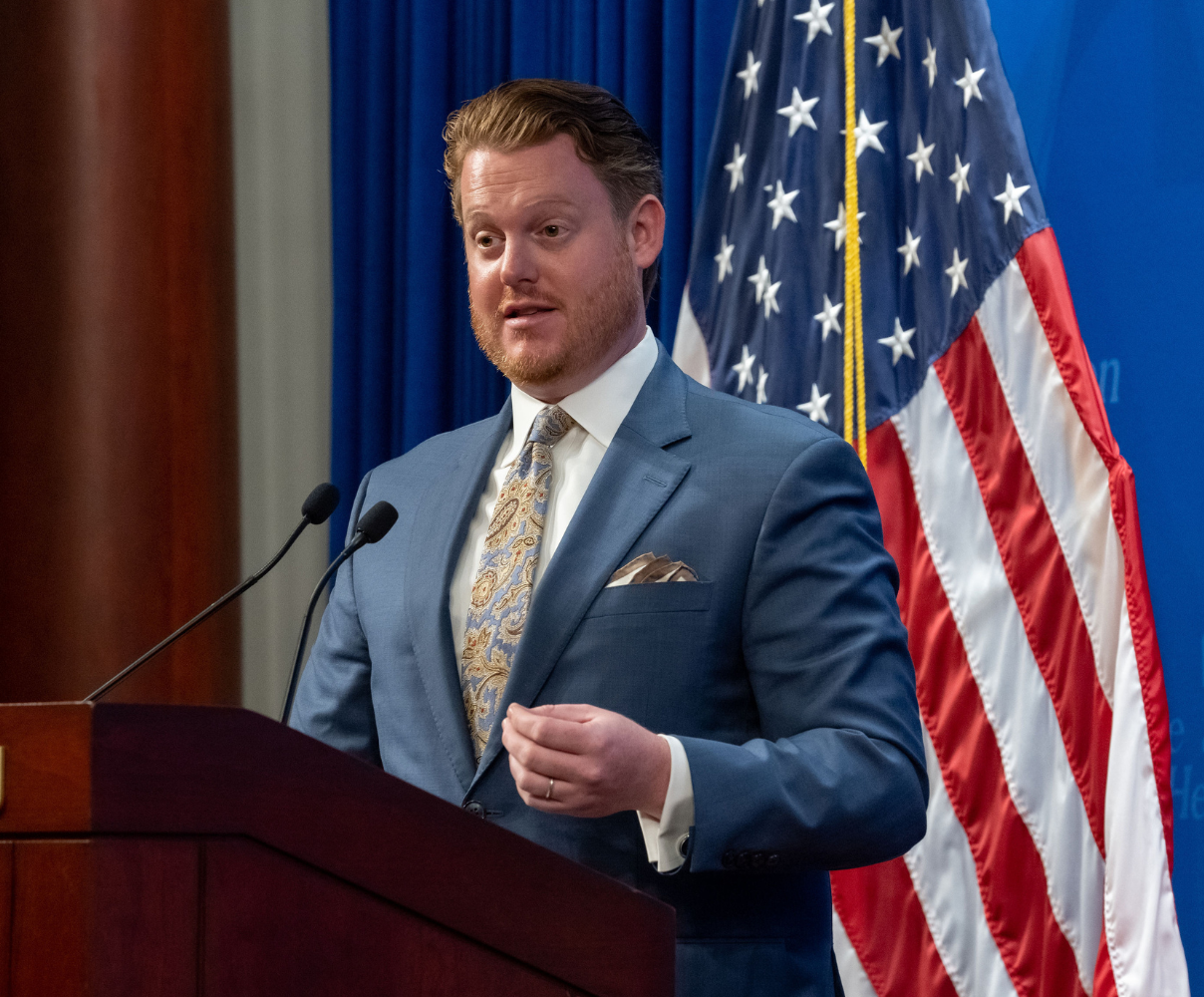
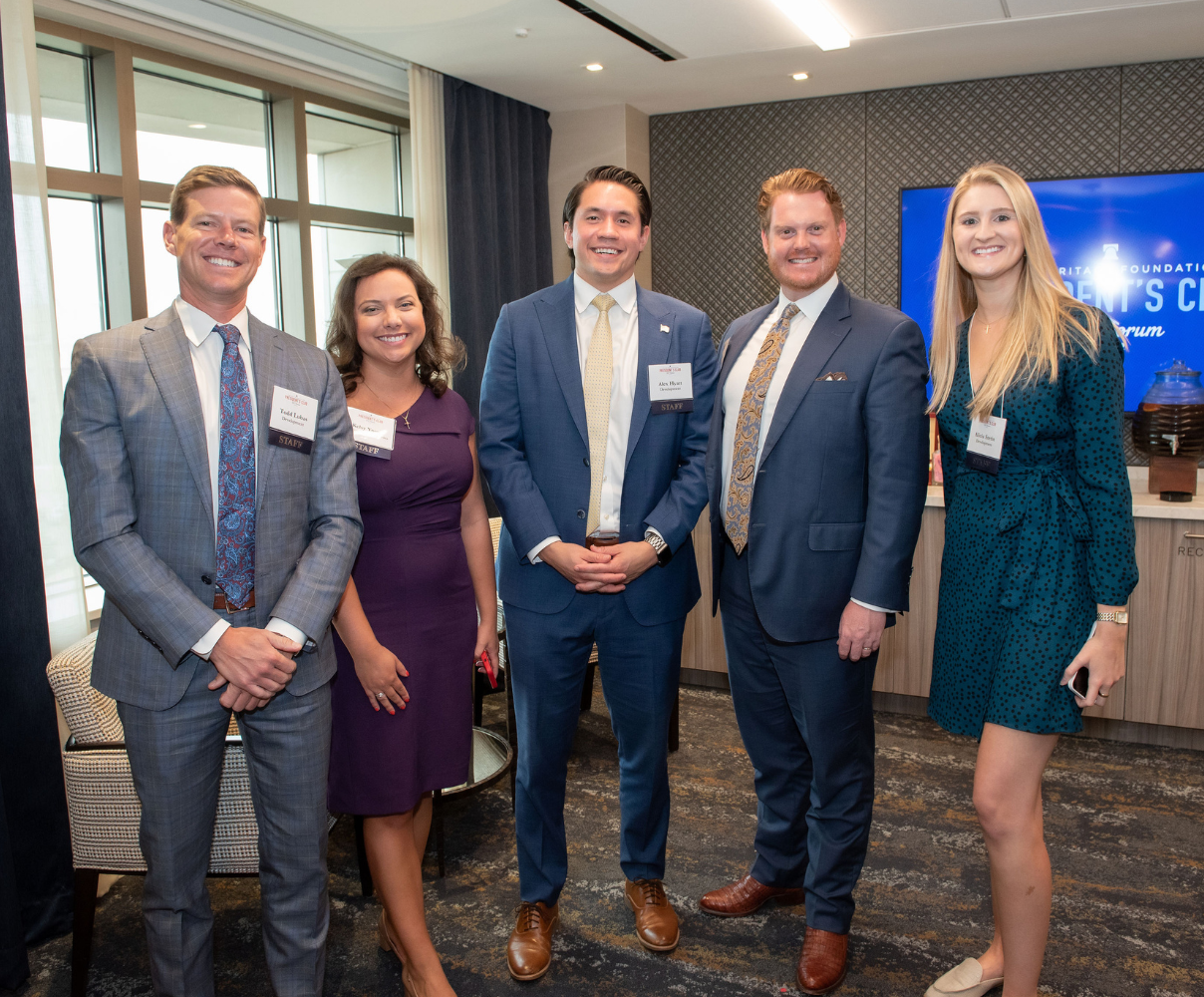
Early in his career, Andrew McIndoe found himself standing in an office overlooking the U.S. Capitol as the youngest Vice President in the history of a nearly 50-year-old think tank, a storied institution with a national reputation and enormous expectations.
He had been hired with a clear mandate: break through fundraising plateaus and build something stronger. Like many leaders stepping into high-stakes responsibility, he felt the weight immediately.
There were sleepless nights. Questions that wouldn’t go away. Was the organization’s vision compelling enough? Was the team structured the right way? Were systems built for growth, or were they quietly limiting the mission’s potential?
As Andrew took on responsibility for a large development operation raising over $100 million per year in cash and pledges, he quickly saw the deeper challenge. The organization wasn’t short on mission or donor opportunity. It was navigating the complexity that often comes with scale: legacy processes, entrenched habits, and a status quo that made change feel nearly impossible. Teams worked in silos. Systems didn’t communicate. Good people were working hard, but the structure wasn’t designed for momentum.
Andrew responded by revamping the fundraising strategy around five core principles: a clear and compelling case for support, deeper donor relationships rooted in what actually motivates philanthropists, leveraging data and systems to scale growth, a culture of accountability and excellence, and meaningfully incentivizing and rewarding team members.
The results were unmistakable: record-breaking revenue, the largest gifts in institutional history, revitalized major giving, and a culture that stopped settling for “good enough.”
The experience became the foundation for Invictus Strategies.
Andrew didn’t start Invictus to offer nonprofit leaders generic advice from the sidelines. He built it to serve leaders who feel the same pressure he once did – leaders facing plateaus, internal complexity, leadership transitions, and the need to make hard calls with real consequences. Leaders who refuse to be conquered.Invictus exists for organizations willing to fight for their mission, make courageous decisions, and emerge stronger – bloodied, perhaps, but unbowed.